A Foreigner-Friendly Introduction
What Is Saju?
Saju (사주, 四柱) — literally 'four pillars' — is Korea's living tradition of reading a life from the exact moment of birth. It is older than horoscopes, more structured than astrology, and surprisingly precise in the questions it can answer: who you are, when your seasons of luck come and go, and how you fit with the people around you.
A 1,500-year-old framework, still in daily use
Saju descends from a Chinese cosmological system codified during the Tang dynasty (8th-10th century CE) and crossed into Korea where it was refined for over a millennium. Unlike Western astrology, which works in 12 zodiac signs, Saju works in 60-character cycles — 10 heavenly stems combined with 12 earthly branches. Modern Korean life still leans on it: parents check name compatibility for newborns, couples consult it before marriage, and many career decisions are weighed against decade-luck cycles (대운).
It maps the four anchors of your birth moment
Your saju is built from four 'pillars' — the year, month, day, and hour you were born. Each pillar is written as a pair of characters: one heavenly stem above (천간) and one earthly branch below (지지). Eight characters total — which is why saju is also called 八字 (eight characters, or Ba-Zi in Chinese). Each character is one of the five elements (Wood, Fire, Earth, Metal, Water) in either yin or yang polarity. From those eight characters a trained reader extracts the day master (your core identity), the balance of elements (your strengths and tensions), and how the cycles of time will interact with that natal pattern.
Why so much of it feels uncannily specific
Saju is not vague. A chart with strong Wood and weak Metal points to someone who plants ideas faster than they prune them — and you can see this pattern in their career history. A 'Useful God' (용신) is the single missing or weak element your chart most needs, and following that elemental advice often reads like personalized life coaching. The 'decade luck' (대운) gives you ten-year seasons with their own dominant flavor — career-building years, family years, breakthrough years — and people often find their actual life arc matches the timeline.
Five Elements
The five materials of saju
Every saju character is one of the five elements. They are not metaphors — they are operators that generate and restrain each other in a fixed cycle. Wood feeds Fire, Fire creates Earth, Earth bears Metal, Metal collects Water, Water nourishes Wood. The opposite cycle is restraint: Wood breaks Earth, Earth dams Water, Water quenches Fire, Fire melts Metal, Metal cuts Wood. Your chart's balance among these five is the engine of every reading.
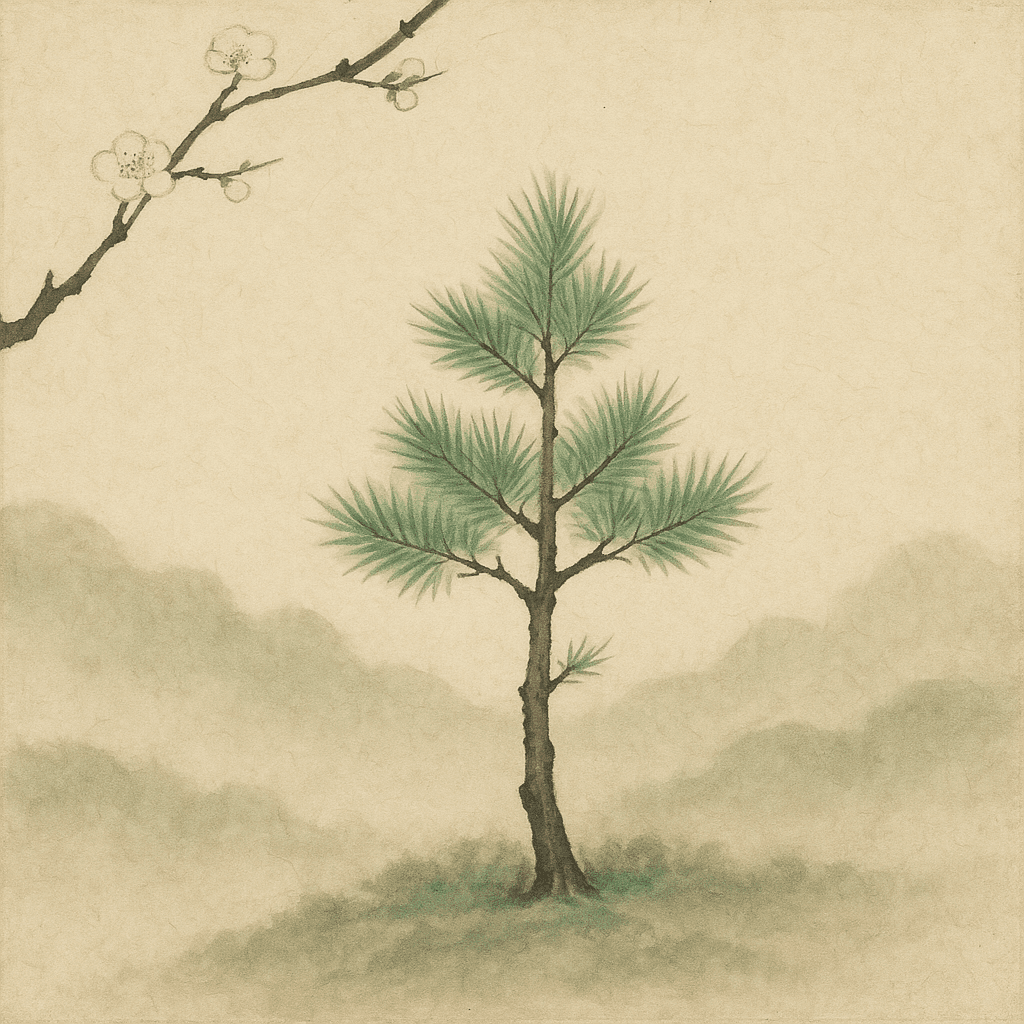
목 (木)
Growth, planning, vision
The energy of trees and saplings — upward, expansive, ambitious. Strong-Wood charts tend toward ideation, leadership, and long-arc thinking.
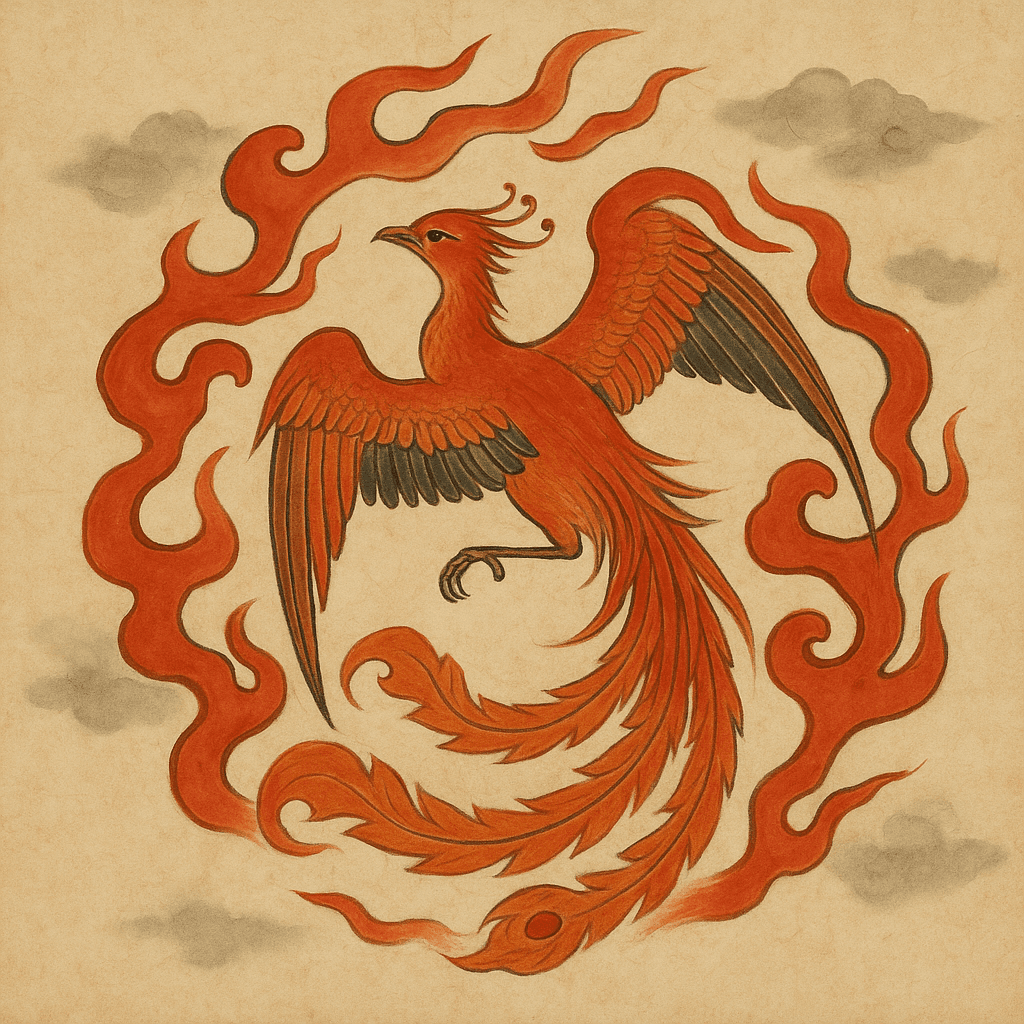
화 (火)
Expression, charisma, action
Heat, light, motion. Fire charts are performers, communicators, and igniters — they convert ideas into momentum.
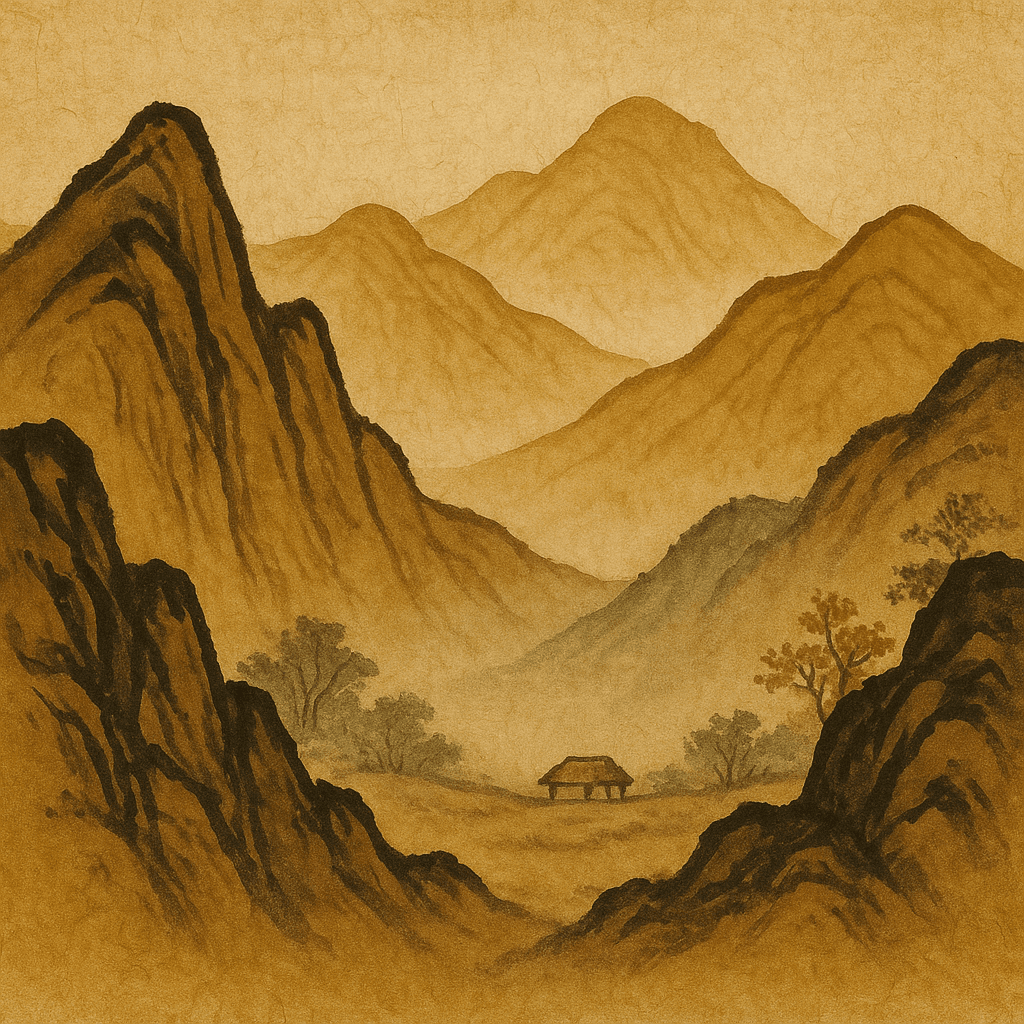
토 (土)
Stability, trust, foundation
Soil and mountain. Earth charts hold the center — patient, dependable, the people others build around.
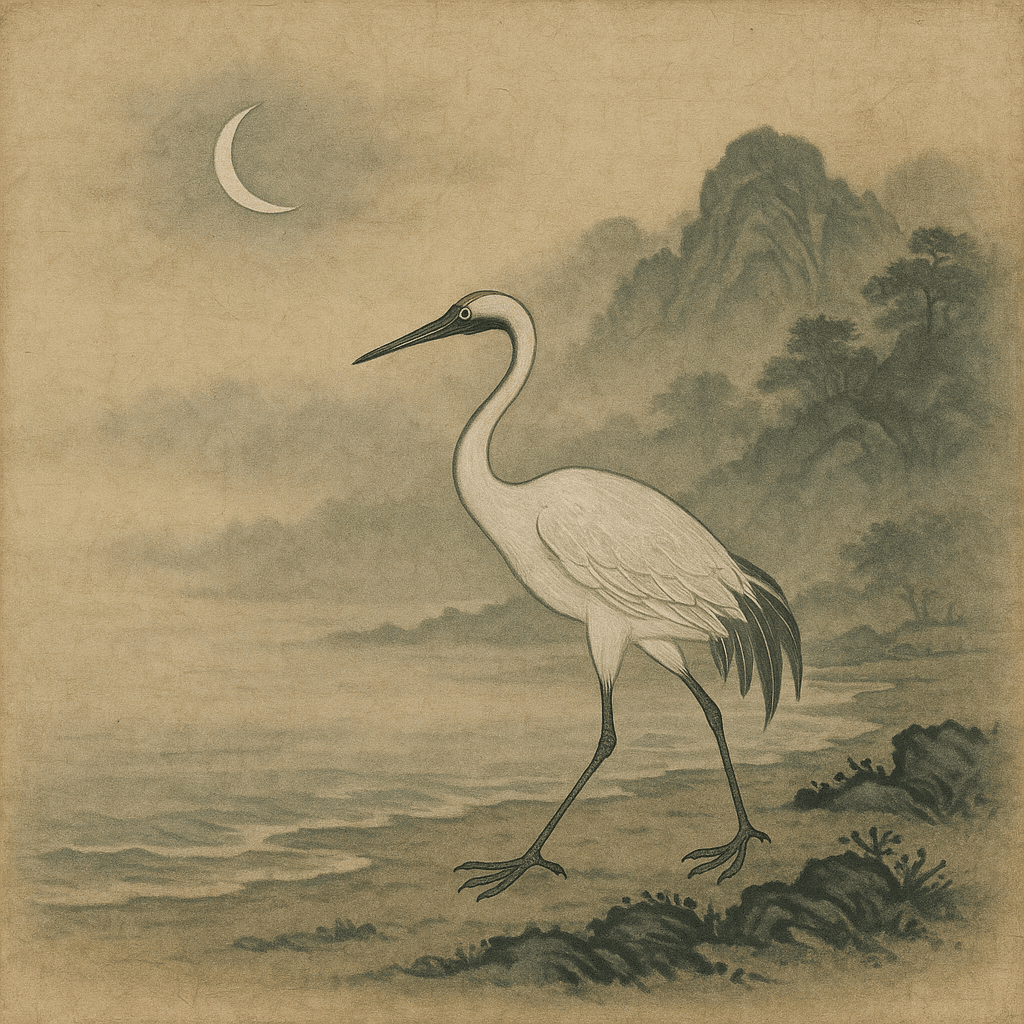
금 (金)
Precision, discipline, refinement
Blade and ore. Metal charts cut through noise with structure and standards — analysts, craftsmen, principled leaders.
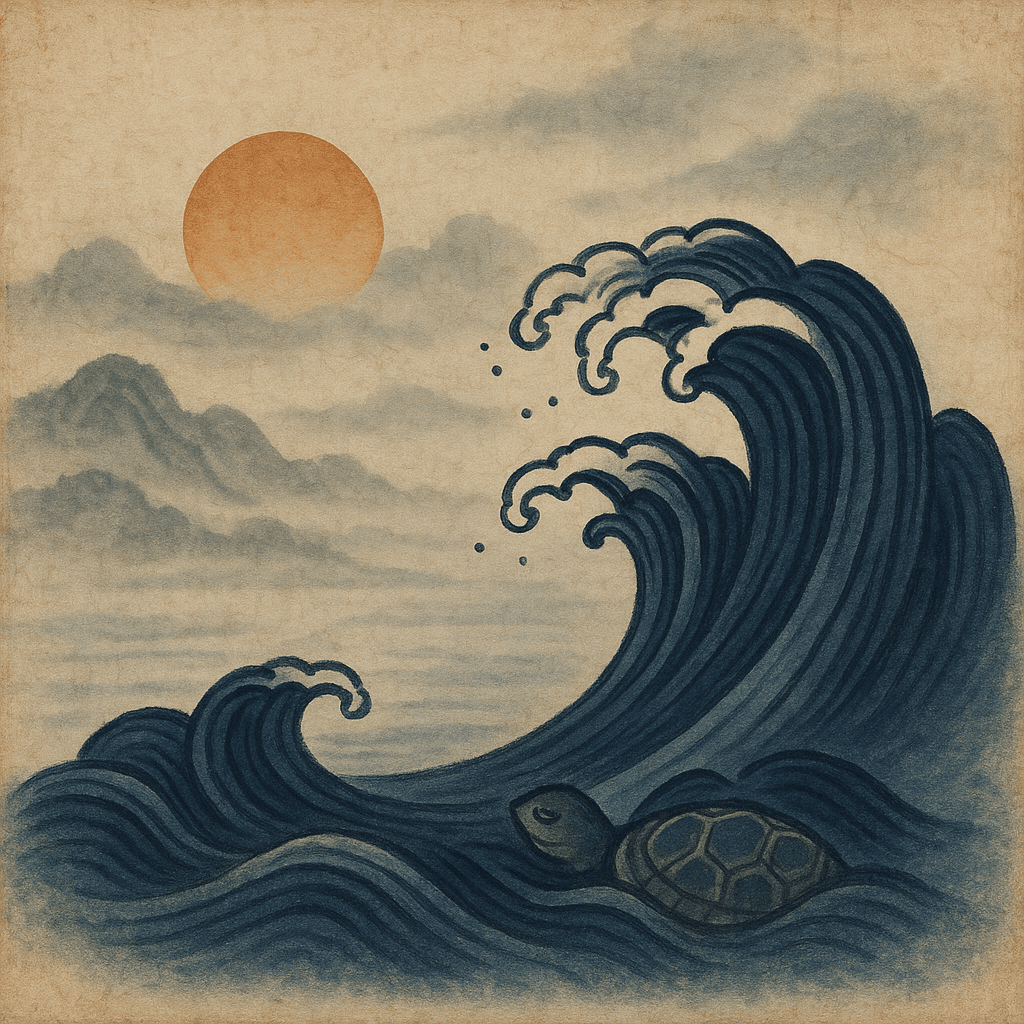
수 (水)
Depth, adaptability, wisdom
River and reservoir. Water charts flow around obstacles — strategists, storytellers, and quiet movers of culture.
Four Pillars
What each pillar tells you
Reading order matters. Each of the four pillars points at a different layer of your life, and where an element lands often matters more than how much of it you have.
Year Pillar
연주 (年柱)
Ancestry, social context, and the era you were born into. How your family and broader generation shape your starting position.
Month Pillar
월주 (月柱)
Career, calling, and your relationship with authority. The strongest indicator of how your gifts are spent in the world.
Day Pillar
일주 (日柱)
The day stem is your 'Day Master' — your core self. The day branch is your spouse palace, the place that describes your closest partnerships.
Hour Pillar
시주 (時柱)
Children, output, and later-life direction. Where the chart points after the peak of your career.
Already into astrology?
How Saju differs from what you already know
If you follow Western astrology, Chinese BaZi, Vedic jyotish, or Vietnamese tử vi, Saju will feel both familiar and genuinely new.
Western astrology
No planets, no houses, no sun sign — Saju reads the five elements and the exact stem-branch of your birth minute instead.
Chinese BaZi (八字)
The same eight characters, read the Korean way: different 용신 (useful-god) selection, heavier 신살 emphasis, and seasonal 대운 decade-luck.
Vedic jyotish / kundli
No nakshatras or planetary periods — Saju maps five elements and a day-master self across four pillars, a wholly different engine.
Vietnamese tử vi
Both read the birth chart, but Saju runs on the five-element stem-branch cycle and decade-luck timing rather than tử-vi star palaces.
The SeoulOracle Difference
Classical saju, refined for how you actually live
We don't just digitize a 1,500-year-old system. We keep its precision, sharpen the math, modernize the interpretation, and tune every reading until it genuinely fits you.
Charts cast to the minute
We resolve the true solar-term boundaries, correct for true solar time at your birth longitude, and account for leap months — so your eight characters are exact, fixing the day- and hour-pillar slips that happen at the edges of a time period.
AI that speaks today's language
A state-of-the-art AI (Claude Opus) reads the structure of your chart — the ten gods, the useful element (용신), decade and annual luck — in the language of real decisions: career, relationships, relocation, and timing.
A reading only you could get
Same zodiac sign, same birthday — still a different reading, because we weigh your month and hour pillars, your elemental balance, and your generational context. No one-size-fits-all platitudes.
Your world, not a farmer's almanac
We read your birth-year zodiac traits alongside your generational cohort, so the advice fits the life you live now — not an agrarian society six centuries ago.
Accuracy by design
Two independent chart engines cross-check each other and a calibration standard keeps interpretations consistent — so 'how does it know?' is engineering, not luck.

Built on tradition. Read for now.
SeoulOracle marries the rule-based depth of traditional saju with modern language and AI-assisted explanations. Every reading is computed by the same classical engine professional consultants use, then translated into 20 languages with plain-language commentary you can act on.